
This Blog was posted for you By Electricians San Antonio – Good Electric
Electrical Troubleshooting in San Antonio
If you’re facing electrical issues in San Antonio, you’re not alone. Many residents deal with problems like flickering lights or tripped breakers that can be both frustrating and concerning. Before you jump into any repairs, it’s crucial to understand safety precautions and the right tools you might need. While some fixes can be handled on your own, there are times when you’ll need to call in a professional. So, what should you consider when deciding whether to tackle a problem yourself or seek help? See more here about Residential Electricians San Antonio
Common Electrical Issues
In San Antonio, homeowners often face common electrical issues like flickering lights, tripped breakers, and faulty outlets. These problems can disrupt your daily routine and signal underlying issues within your electrical system.
Flickering lights typically indicate a loose bulb or wiring problem. If you’ve changed the bulb and the flickering continues, it’s time to investigate further.
Tripped breakers are another frequent headache. They occur when your circuit is overloaded, often due to too many devices drawing power simultaneously. When this happens, you’ll need to unplug some devices and reset the breaker. If tripping persists, you might have a more serious wiring issue that requires professional attention.More here: Residential Electricians in San Antonio
Faulty outlets can be frustrating, especially when your devices won’t charge or work as expected. You might notice burning smells or sparks, which can indicate serious electrical hazards. In these cases, it’s crucial to stop using the outlet and call an electrician.
Being aware of these common electrical issues not only helps you troubleshoot effectively but also prepares you to seek professional help when needed. Remember, understanding these problems can save you time and prevent potential dangers in your home.
Safety First: Precautions
Before tackling any electrical issue, make sure you prioritize your safety by turning off the power at the breaker box. This simple step can prevent serious accidents, such as electric shocks or fires. Always double-check that the power is off using a voltage tester before you start working.
Next, wear appropriate personal protective equipment. Insulated gloves and safety goggles can protect you from unexpected sparks or debris. If you’re dealing with exposed wires, consider using rubber-soled shoes to minimize the risk of shock.
Keep your workspace tidy and free of clutter to avoid tripping hazards. Make sure to have a clear exit route in case of emergencies. If you’re working in damp areas, use a GFCI (Ground Fault Circuit Interrupter) outlet to add an extra layer of safety.
Lastly, don’t hesitate to ask for help. If you feel unsure about any aspect of your electrical troubleshooting, reach out to a professional. It’s better to be safe than sorry. Prioritizing safety not only protects you but also ensures that any repairs you make are effective and long-lasting.
Tools for Troubleshooting
A reliable set of tools is essential for effectively troubleshooting electrical issues in your home.
First, invest in a good multimeter, which measures voltage, current, and resistance. This tool helps you identify problems with circuits and components.
Next, grab a non-contact voltage tester; it’s great for quickly checking if wires are live without touching them.
You’ll also need a set of screwdrivers, preferably with insulated handles, to safely open electrical panels and junction boxes.
Pliers, especially needle-nose and wire-cutting types, are crucial for gripping and manipulating wires.
Don’t forget wire strippers, which make it easy to remove insulation from wires without damaging them.
A flashlight is handy for illuminating dark areas, ensuring you can see what you’re working on.
Additionally, having a circuit breaker finder can save you time when locating specific breakers.
Step-by-Step Diagnosis
Start by identifying the symptoms of the electrical issue to narrow down potential causes. Ask yourself questions like, ‘Are lights flickering?’ or ‘Is a specific outlet not working?’ This initial assessment helps you focus your troubleshooting efforts.
Next, check your circuit breakers and fuses. A tripped breaker or blown fuse can often be the culprit behind electrical issues. Reset any tripped breakers and see if that resolves the problem.
If the issue persists, inspect the affected outlets and switches. Look for signs of burn marks, discoloration, or loose connections. You can use a multimeter to test for voltage, ensuring the outlet is functioning correctly.
Then, trace the wiring back to the main panel. Look for any visible damage, such as frayed wires or loose connections. If you detect any issues, it might be time to replace or repair those components.
When to DIY
Knowing when to tackle electrical issues yourself can save you time and money, but it’s crucial to assess your skills and the complexity of the problem first. If you’re comfortable with basic tools and have experience with minor repairs, you might handle simple tasks like replacing a light fixture or a switch. Ensure you turn off the power at the circuit breaker before starting any work.
However, if you encounter persistent issues like frequent tripping breakers or flickering lights, it’s best to step back. These problems often indicate deeper electrical faults that could pose safety risks. When you feel unsure or the task requires advanced knowledge—like working on wiring or circuits—don’t hesitate to call a professional.
Additionally, local codes and regulations may dictate certain electrical work requires a licensed electrician. Ignoring these rules can lead to fines and safety hazards. Always trust your instincts; if a job feels beyond your expertise, it’s better to seek help than to risk injury or damage to your home.
Ultimately, knowing your limits is key to effective and safe electrical troubleshooting.
Choosing the Right Electrician
Finding the right electrician can make all the difference in ensuring your electrical issues are resolved safely and effectively. Start by checking for licenses and insurance. A qualified electrician should have the necessary certifications to work in your area, which guarantees they meet industry standards.
Next, ask for recommendations from friends or family who’ve had similar work done. Personal referrals often lead you to trustworthy professionals. You can also read online reviews to gauge the electrician’s reputation and reliability.
When you narrow down your options, don’t hesitate to request quotes. This helps you understand pricing and ensures you’re getting a fair deal. Be wary of unusually low estimates, as they might indicate cutting corners on quality or safety.
Once you’ve selected a few candidates, interview them. Ask about their experience, specialties, and how they handle unexpected issues. A good electrician should be transparent and willing to answer your questions.
Local Resources and Support
In San Antonio, tapping into local resources and support can significantly ease your electrical troubleshooting process. Start by connecting with community organizations and online forums where residents share their experiences and recommendations. Websites like Nextdoor or Facebook groups can be invaluable for finding local electricians and getting advice from your neighbors.
Don’t forget to check out local hardware stores. Many employees have hands-on experience and can offer tips on common electrical issues and the tools you’ll need. They might even point you toward DIY resources like workshops or classes that cover basic electrical troubleshooting.
Another great option is to consult with local trade schools or vocational programs. They often have students eager to gain practical experience and may offer services at a reduced rate.
Lastly, consider reaching out to the San Antonio chapter of the National Electrical Contractors Association (NECA). They can provide a list of certified professionals and resources tailored to your needs. Utilizing these local resources can’t only save you time but also ensure you’ve got the support you need during your troubleshooting journey.
In San Antonio, tackling electrical issues can be manageable if you know the common problems and the right precautions.
Always prioritize safety and don’t hesitate to use the right tools for troubleshooting.
While some repairs might be within your skill set, remember that persistent issues are best left to professionals.
With local resources and certified electricians at your fingertips, you’ll have the support you need to keep your home safe and electrically sound.

 In addition to that, there are clear braces of teeth too that doesn’t make one look unattractive while having his/her braces on. It’s important that you smile confidently and without inhibitions. Your smile should exude confidence and charm and should make your aura pleasing and appealing to others. And if you are very conscious of the fact that you have got braces on your teeth, you could also try out our invisible braces for teeth that don’t let others know that you have got braces on. It helps in a big way for those who are quite conscious about their personality and are a little reluctant to reveal that they are undergoing any treatment for fixing their teeth. There are dental braces for adults too which are specially designed to make sure that they do not give an awkward look to people. Contrary to popular belief, Orthodontic braces cost are very marginal and do not burn a hole in your pockets.
 frivolous. It can become a cause for bigger problems in the near future. Decaying of gums can if left unattended can probably cause of loss of teeth at a tender age. So, one must not take issues related to teeth go unattended for and should always take care of his or her teeth like the way they take care of their skin and health.
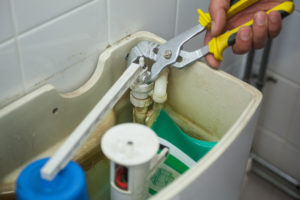
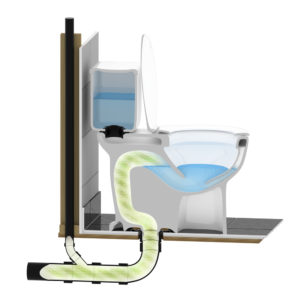 jiggle the handle has never been a fun proposition, however, almost every toilet will, at some point, begin to run, leak, or make odd noises.Toilet repair This is simply the nature of the parts inside a toilet’s tank that comprise the flushing system. With a combination of brass, rubber, plastic, and other materials, there are multiple points for possible failure. Leaks from rusty tank bolts or cracked fill valve shanks are common as well. Fill valves begin to wear out and allow excess water to enter the tank, flappers become warped and allow water to run into the bowl, and even the toilet’s flush handle can rust. We will resolve each and every one of these issues for you quickly and professionally, giving your toilets several more years of reliable, trouble-free usage.
 narrower and narrower with a build-up of calcium and lime, increasing the probabilities of clogs. There is no repair for this. In such cases, or if you simply want to update the look of your bathrooms with newer and higher quality equipment, it’s time to replace your toilets. With literally thousands of different models and styles out there, there is guaranteed to be something out there for everyone. Prices for new toilets can range anywhere from $100 all the way up to and exceeding $3500, showcasing every possible feature you could think of. Though rare on lower priced models, features such as automatic flushing, heated seats, and LED lighting are available. We recommend that the homeowner purchase their own toilets and then have us install them. We suggest this due to the wide variety of toilet styles, colors, and features. We will answer any questions you may have along the way in your search for new toilets, as well as offer advice on brand selection, feature necessities, and pricing options. Regardless of which toilets you choose, we install them all, and we’ll even dispose of your old ones for you at no additional charge
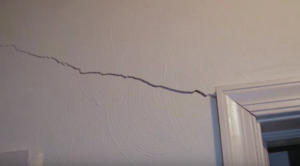 Although sliding windows or sliding glass doors that are difficult to open and close could be seen by many as a mere annoyance, these problems could actually be much more serious. If windows or sliding glass doors don’t open and close with ease, it could signify defective windows and doors or even problems with the entire framework of your home or condo.
 cannot be easily and permanently repaired, then you need to take the next step to protect your rights. That step is to contact a construction defect attorney as soon as possible.
 Now if the plunging does not work out, you would have to go work under the sink with a cable auger. Start by removing the trap pf the sink using a pipe wrench. You can unscrew the threaded coupling on the traps just by your hands. Use a bucket to empty the water from the trap. After completing this step make sure you have unclogged the trap. Take the horizontal arm from the stub out, after that out the cable inside the stub out and keep going, stop when you feel resistance. After that tighten up the lock screw after pulling the cable out. To drive the cable far inside the pipe, push the handle while rotating it in a clockwise direction. Keep repeating the process until you feel like the blockage has been broken. When doing this step if your cable gets stuck into something, just rotate it anti-clockwise and pull the cable back. Once you have rid the cable of whatever was blocking it, push it back ahead. More info here
 kinds of clogs.
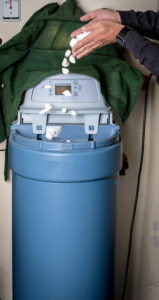 will cause a number of different effects.Contact us